Dehua Porcelain Styles
From Warm Ivory to Icy Luster
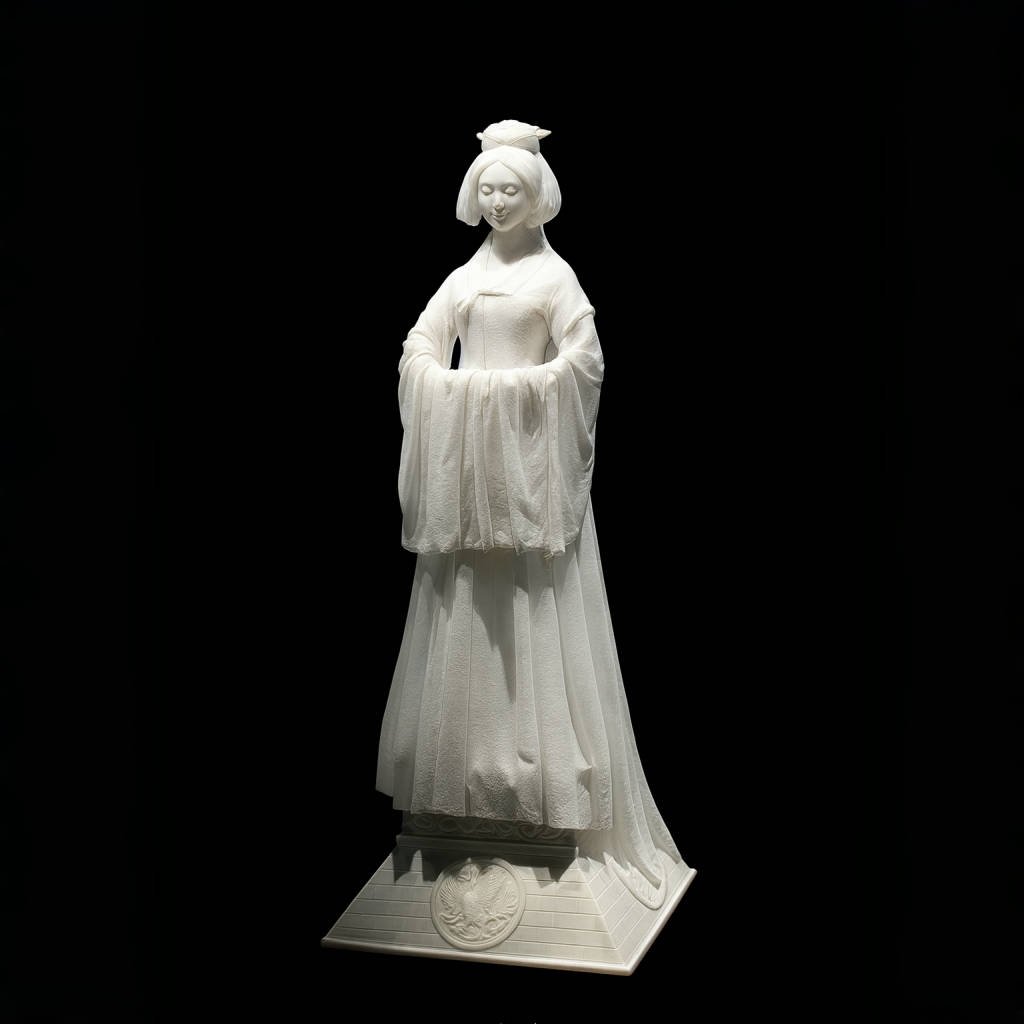
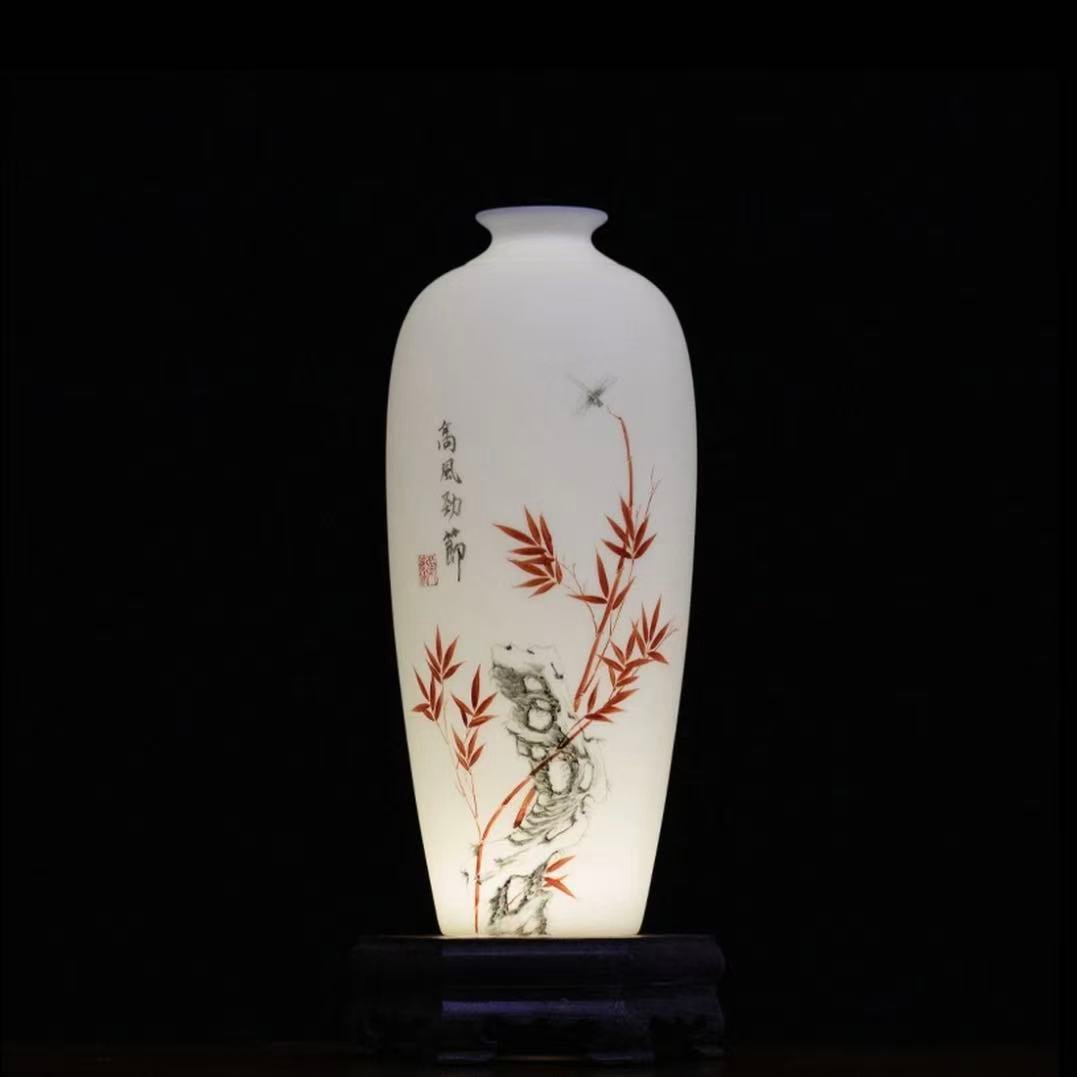
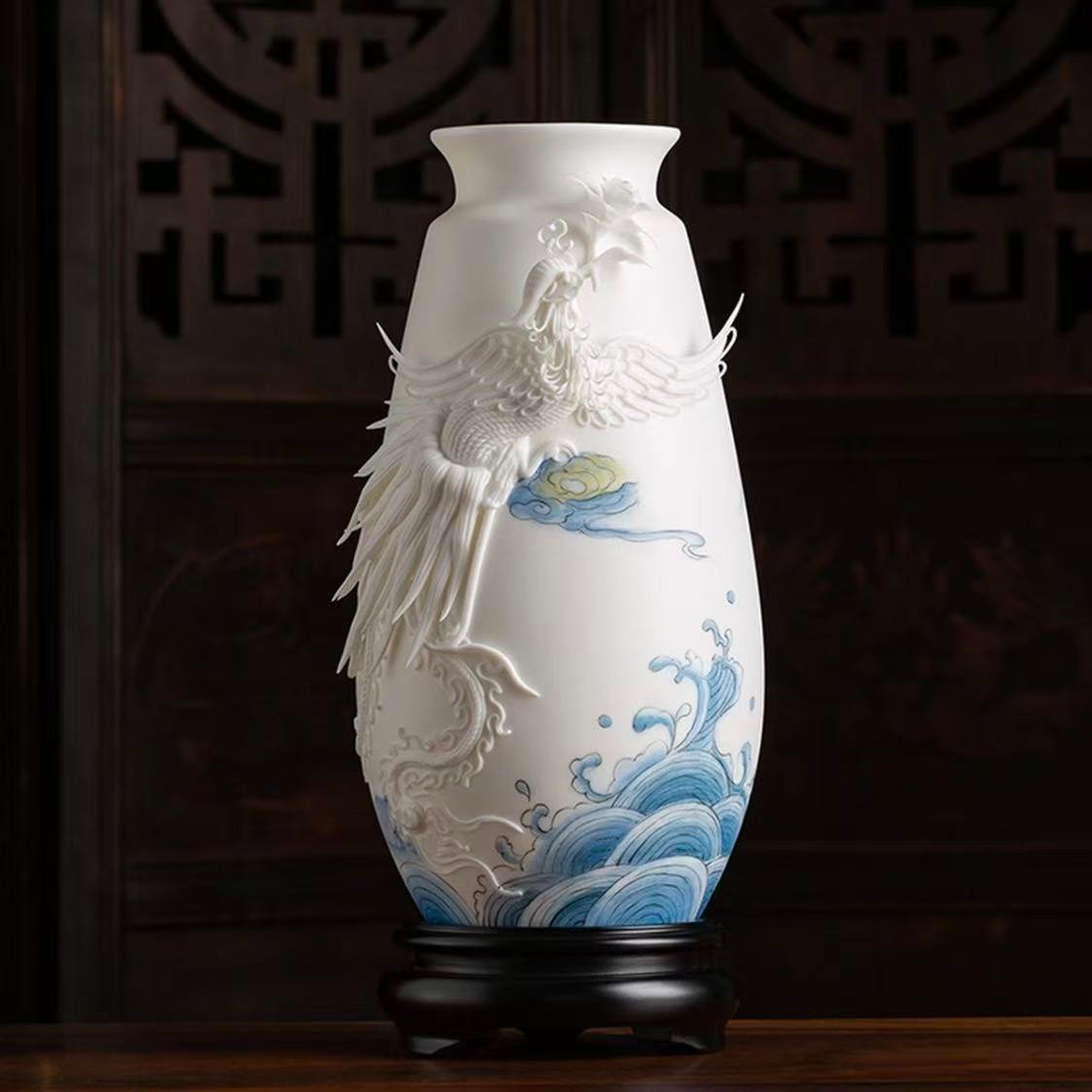
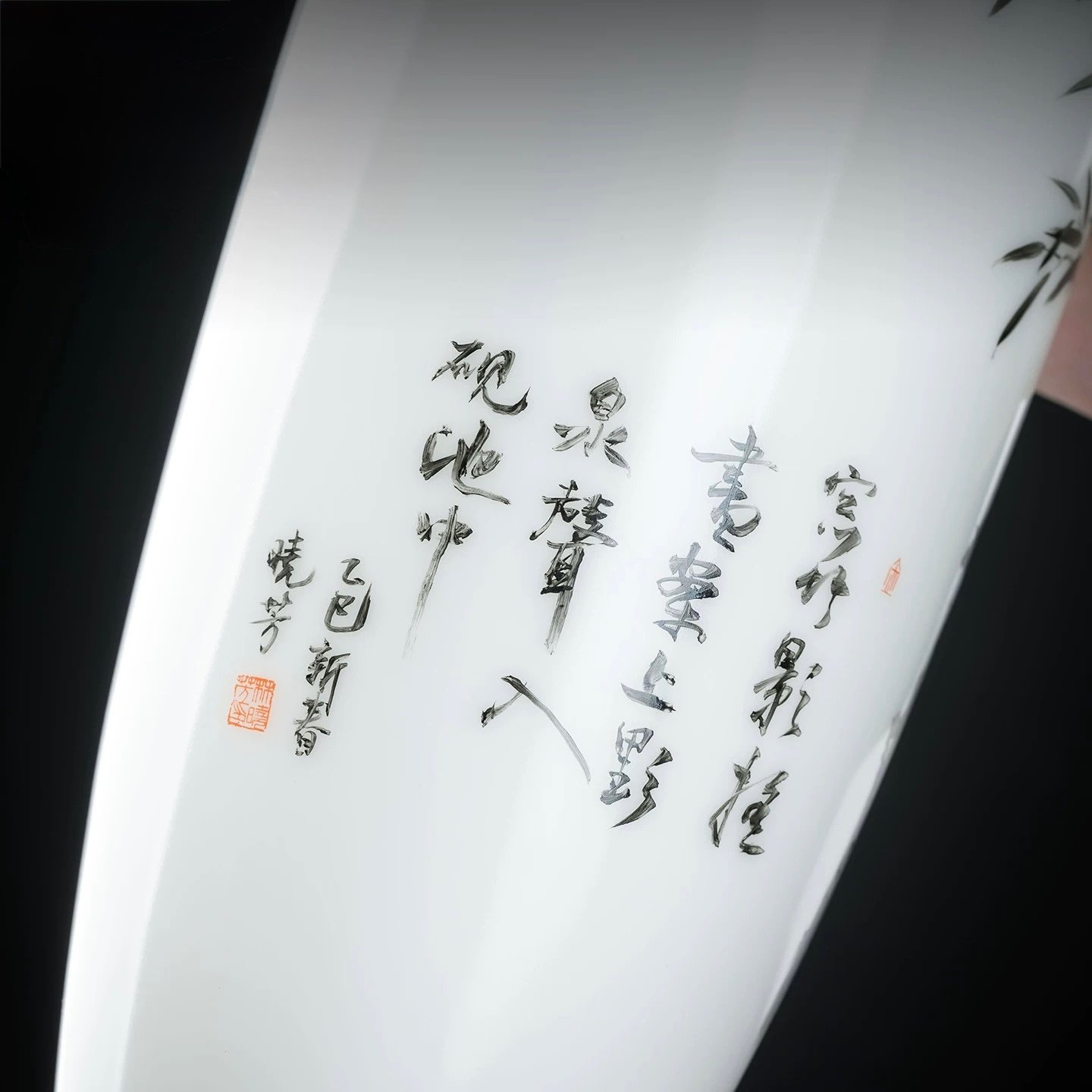
Jian White Porcelain、”Baby Pink” Procelain、Muton Fat Jade Porcelain、Ice Spirit Jade Porcelain
4 Styles · Color Nuance · Light Response · Care
Jian White Porcelain
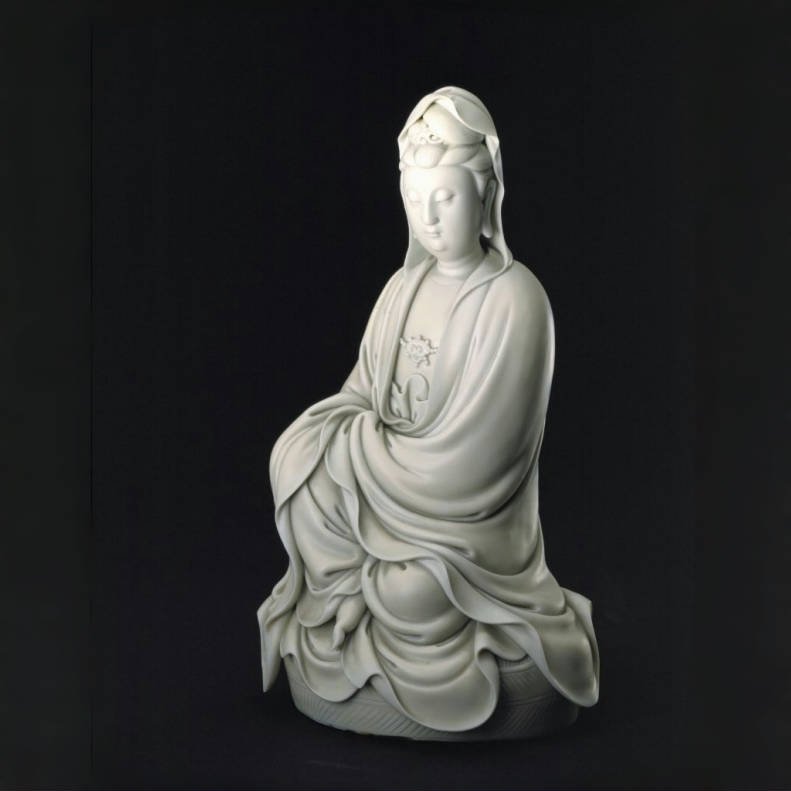
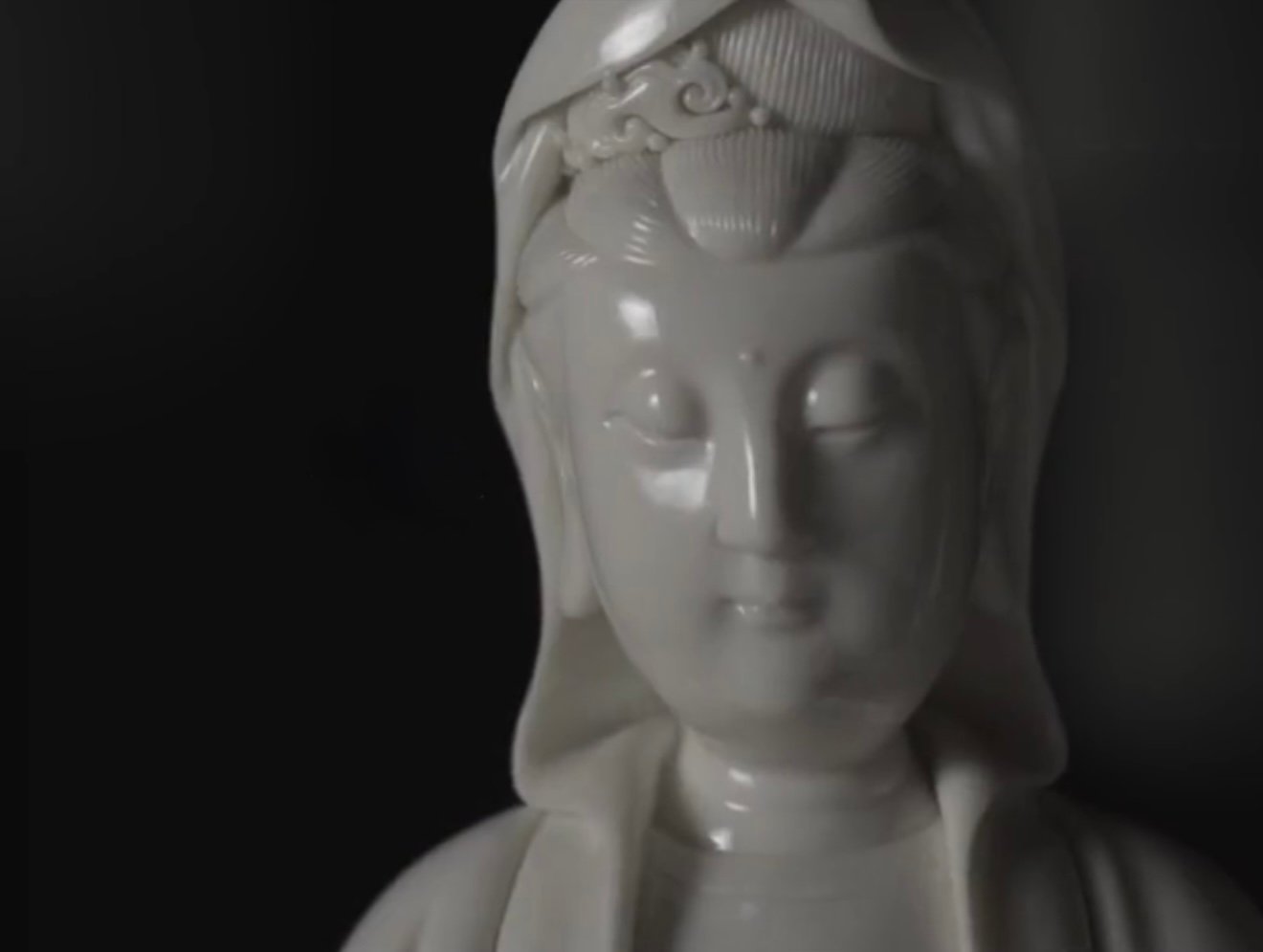
It has two characteristics : First, its glaze is purely white, smooth as lard. Unlike the bluish-white porcelain of Jingdezhen or the yellowish-white of Northern china, it contains extremely low levels of iron and titanium impurities, resulting in a lustrous and clean glaze color, often described as “lard white,” “ivory white,” or “goose feather white.” Second, its body is dense with excellent light transmission. The pure and sturdy clay body appears translucent like jade under light, perfectly embodying the finest porcelain qualities of being “white as jade, bright as a mirror, thin as paper, and producing a clear chime-like sound.”
“Baby Pink” Porcelain
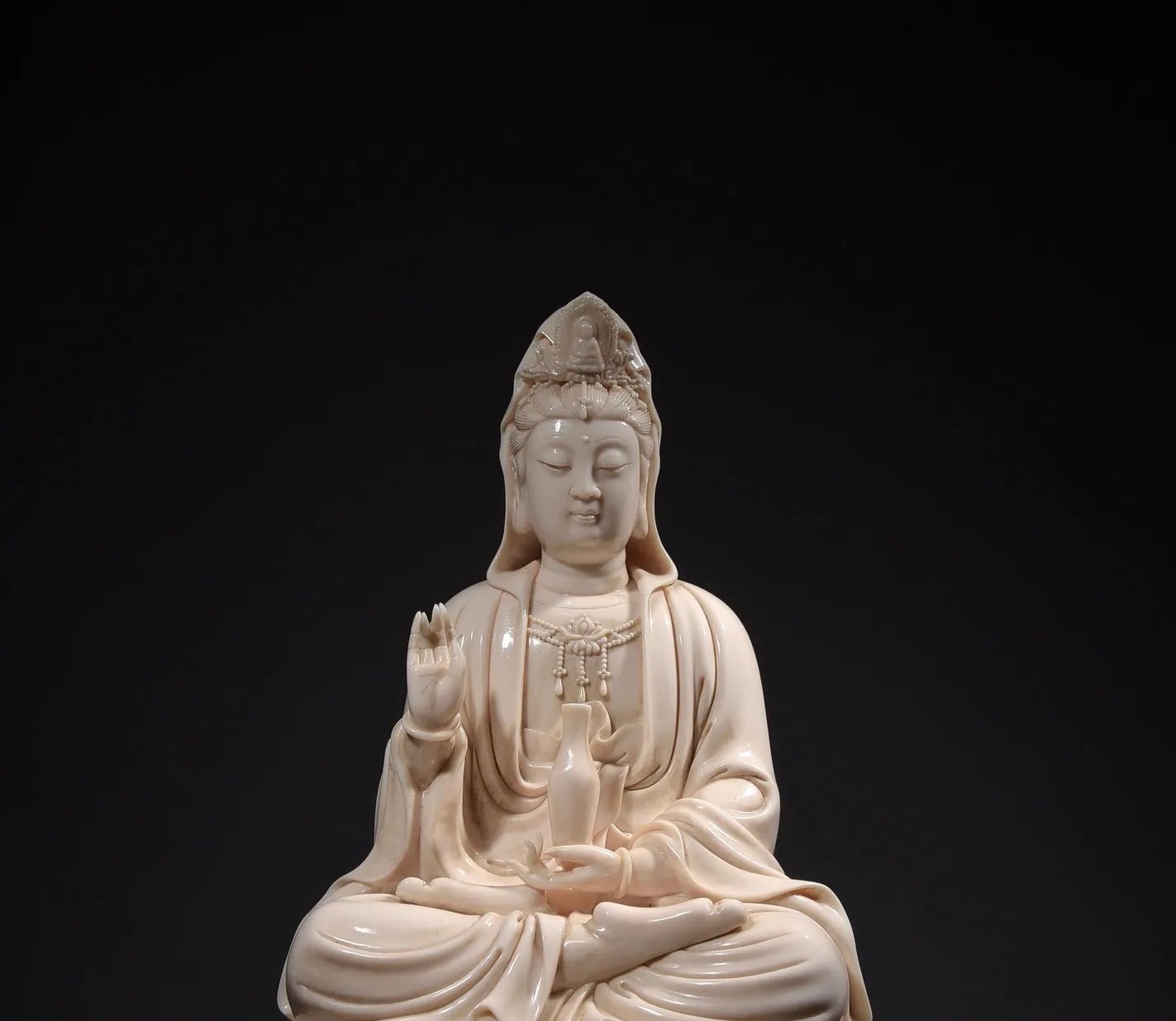
A furnace transmuted porcelain in the kiln, “Baby Pink” was considered the finest among Dehua white porcelain produots during the Ming dynasty. Thebody of its greenware is pure white, delicate and smooth, with a glistening glazed surface attached tenaciously to its body, forming an organic whole. The porcelain appears white with a touch of pink under the light, resembling a baby’s rosy and translucent complexion, hence the nickname “Baby Pink”.
Muton Fat Jade Porcelain
Also known as one of the high-end varieties of Dehua white porcelain, it is named for its texture, which resembles the finest mutton-fat white jade—a prized type of soft jade. Characterized by its ice-like smoothness, lard-like creaminess, and snow-like whiteness, the glaze exhibits an oily luster with a delicate, moist, and jade-like transparency. Its warm, radiant, and refined appearance evokes the elegance of mutton-fat jade, presenting a fresh and exquisite aesthetic.
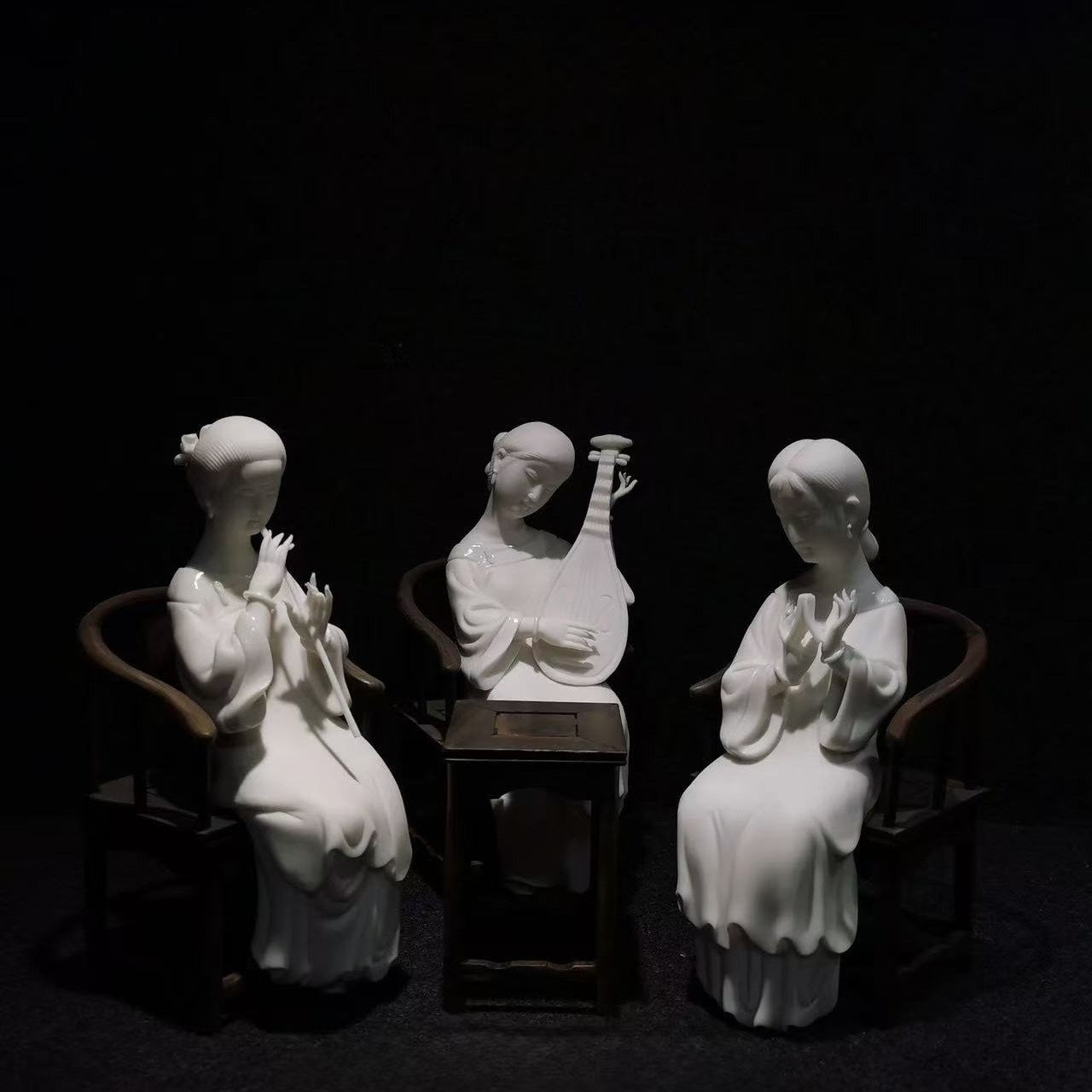
Ice Spirit Jade Porcelain
A rising favorite among Dehua white porcelain, this minimalist yet sophisticated plain ware is crafted from special clay. It embodies the clarity of ice and the translucency of jade, appearing pure and pristine. With exceptional light transmission and a pleasing texture, it combines the simplicity of natural purity with the ultimate elegance of ice-like whiteness and snow-inspired grace.
Dehua white porcelain
Dehua white porcelain has captivated the world with its jade-like, creamy-white appearance, embodying a cultural symbol enriched by millennia of history and artistry. Its most distinctive feature lies in its unique glaze color, honored with the esteemed name “Chinese White” (Blanc de Chine). The glaze is not pure white but exhibits subtle tones of yellow, pink, or milky white, presenting a soft and warm texture reminiscent of ivory or solidified lard—elegant, serene, and subdued. The glossy, crystal-like surface of the glaze tightly bonds with the porcelain body, creating an overall jade-like quality that reflects the traditional Chinese aesthetic of associating virtue with jade.
This remarkable effect is achieved thanks to the high-quality local kaolin clay from Dehua, which contains very low iron content and high levels of potassium oxide. This results in a dense, hard body with excellent translucency—so pronounced that the shadow of a finger can be clearly seen when held against strong light.
Dehua—Ancient Porcelain Capital
Dehua is one of China's three major ancient porcelain capitals, alongside Jingdezhen in Jiangxi and Chaozhou in Guangzhou (some cite Liling in Hunan instead). With a long history, the Dehua Kiln was a renowned porcelain production center in ancient southern China and one of the birthplaces of global ceramic culture. It is named after its location in Dehua County.
It flourished during the Tang and Song dynasties.
As early as the Tang and Song dynasties, the Wanpinglun Kiln in Dehua produced white porcelain alongside bluish-white porcelain. Dehua white porcelain became a representative variety in China's porcelain industry, while a significant portion of the bluish-white porcelain produced was extensively exported overseas via both maritime and land routes.
It flourished during the Yuan and Ming dynasties.
The Dehua Kiln had likely already become one of China's relatively important porcelain kilns during the Yuan Dynasty. In the Ming Dynasty, Dehua's white-glazed porcelain saw further development, as master artisans developed a warm, ivory-white porcelain with a smooth, jade-like texture—a style unique in China's porcelain industry at the time. This period marked the peak of Dehua Kiln's golden age.
Renewed in the contemporary era.
On December 27, 2006, the former General Administration of Quality Supervision, Inspection and Quarantine approved the implementation of geographical indication product protection for "Dehua White Porcelain." The successful development and innovation of purple clay pottery paved a new path for the revitalization of Dehua's ceramic industry.
Millennia-Old Kiln Fires, Legacy of Craftsmanship
Explore the transformation journey of Dehua white porcelain from clay to artwork, and witness the seamless fusion of traditional craftsmanship with modern aesthetics.
Production steps:Clay Mining , Pounding the Clay , Levigation , Sedimentation , Clay Tempering , De-watering , Maquette , Forming , Trimming , Hollowing out , Inscription , Drying , Kiln Prearation , Glazing , Loading the Kiln , Kiln Watching , Unloading the Kiln , Culling